
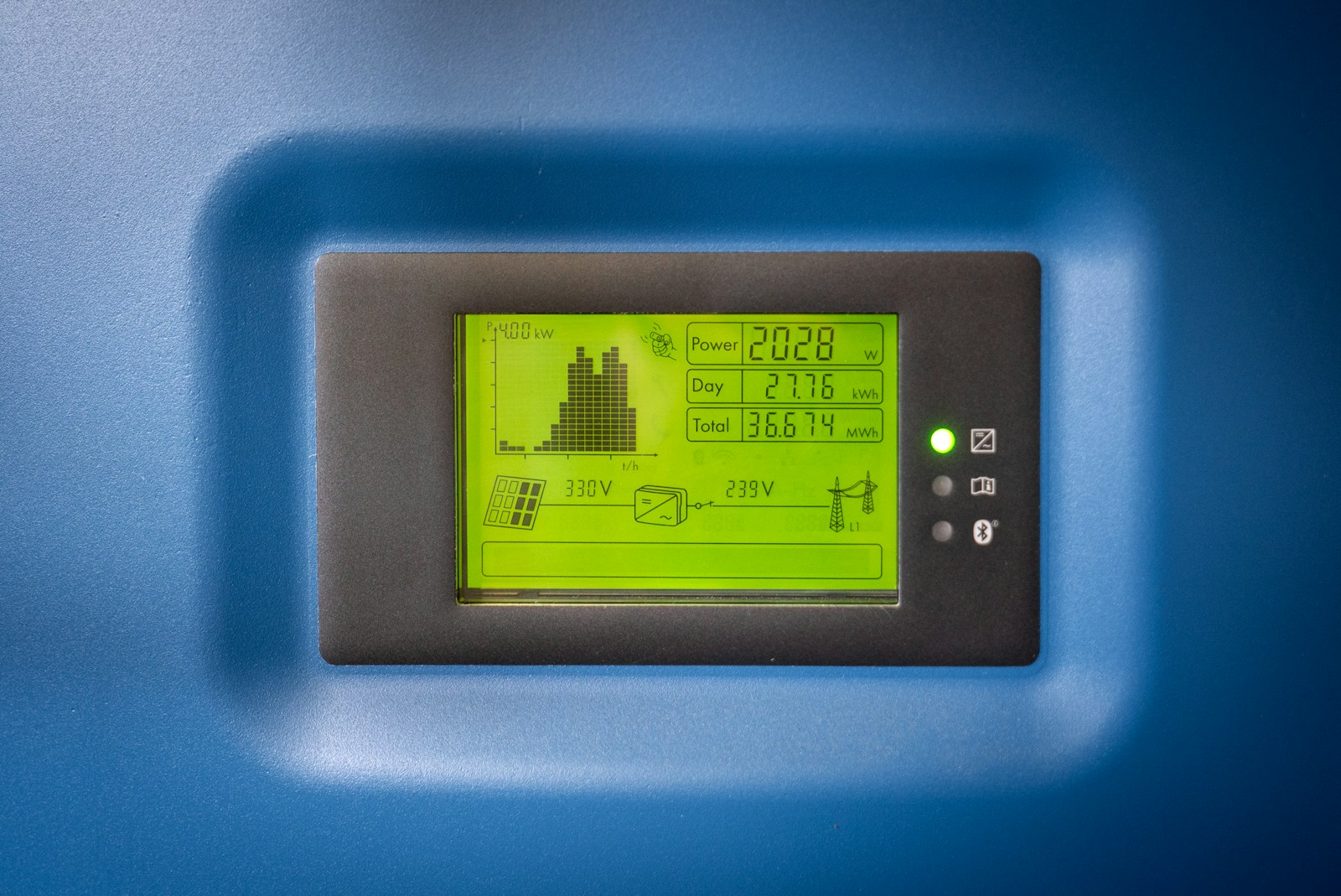
In today’s world, where energy consumption is a major concern, it is important for individuals and businesses to find ways to monitor and manage their energy usage. This is where advanced energy monitoring systems come into play. These systems provide real-time data on power consumption, allowing users to identify areas of inefficiency and make informed decisions to reduce their carbon footprint. In this blog post, we will explore the core benefits of energy monitoring systems and how they contribute to a more sustainable, automated future.
Increased Energy Efficiency
One of the key benefits of energy monitoring systems is their ability to increase operational energy efficiency. By providing real-time data on energy usage, these systems enable users to identify areas of high consumption and take appropriate actions to reduce it. For example, if a business notices that their lighting or industrial automation systems are consuming a significant amount of energy during non-working hours, they can adjust settings or implement automated controls. This not only reduces waste but also leads to substantial cost savings.
Cost Savings
Energy monitoring systems can help individuals and businesses save money on their monthly utility bills. By closely monitoring energy consumption patterns, users can identify peak usage times and take steps to flatten load curves. For instance, if a facility realizes that power usage spikes during specific shifts, they can stagger heavy machinery operations. Additionally, these systems detect appliance malfunctions or electrical inefficiencies early, allowing users to take prompt action and avoid unnecessary maintenance expenses.
| Feature / Metric | Traditional Utility Tracking | IoT Energy Monitoring Systems |
|---|---|---|
| Data Granularity | Monthly billing summary | Real-time, continuous power telemetry |
| Anomaly Detection | Reactive (discovered upon bill arrival) | Proactive instant alerts on spikes or faults |
| Peak Load Management | Difficult to isolate peak drivers | Detailed load-curve analysis to stagger heavy operations |
| Sustainability Impact | Limited transparency into carbon output | Granular insights to integrate renewable sources and cut waste |
Environmental Sustainability
In the face of climate change and limited natural resources, it is crucial for industries to adopt sustainable practices. Energy monitoring systems play a significant role in promoting environmental sustainability. By providing users with detailed insights into their energy footprint, these systems encourage responsible consumption and conservation. When businesses leverage real-time data enabled by IoT solutions, they can successfully integrate renewable sources and adhere to corporate green goals.
Frequently Asked Questions (FAQs)
How do energy monitoring systems work?
Energy monitoring systems use smart IoT sensors and meters to track electricity consumption in real time, transmitting usage data to centralized dashboards for analysis and automated control.
What are the main financial benefits of installing an energy monitor?
Primary benefits include lower monthly electricity bills, early detection of equipment faults, reduced peak demand charges, and an accelerated return on investment (ROI) for industrial facilities.
Conclusion
Energy monitoring systems offer numerous benefits, ranging from increased energy efficiency and cost savings to environmental sustainability. By providing real-time data and insights, these systems empower individuals and businesses to take control of their energy consumption and make informed decisions. As we strive towards a more sustainable future, adopting energy monitoring systems is a crucial step in reducing our carbon footprint and preserving our planet for future generations.
Leave a Reply