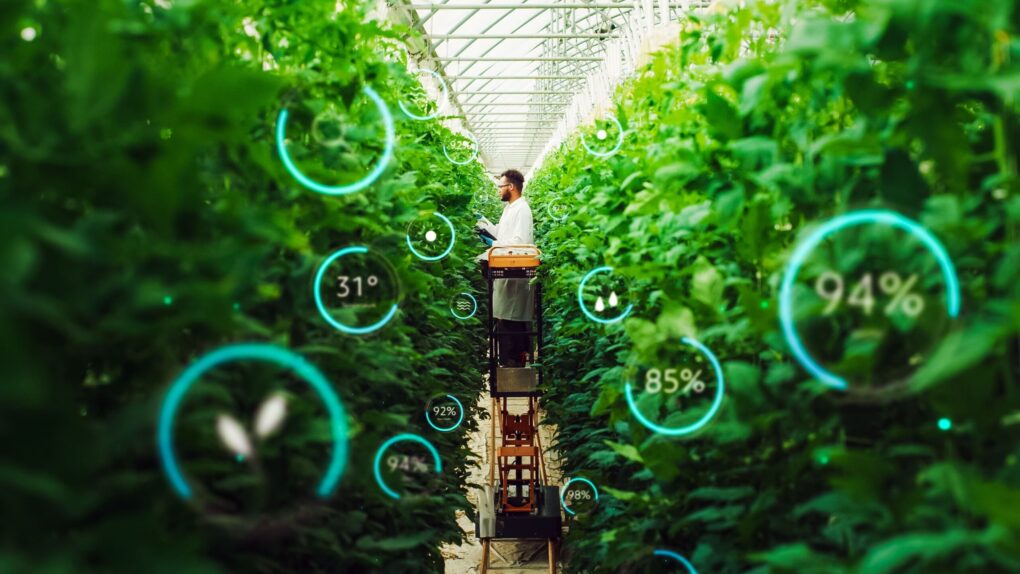
In an age where technology continues to reshape industries, agriculture is no exception. The Internet of Things (IoT) has ushered in a new era of smart farming, where data-driven decision-making and automation play pivotal roles in maximizing yields, conserving resources, and ensuring sustainable practices. In this blog, we’ll explore the remarkable ways in which IoT devices in agriculture are revolutionizing modern farming.
1. Precision Agriculture: Cultivating Efficiency
IoT devices in agriculture serve as the cornerstone of precision farming. By integrating advanced smart agriculture solutions, farmers can monitor and manage their fields with unprecedented precision:
- Soil Sensors: IoT-equipped sensors measure soil moisture, pH levels, and nutrient content. This data helps farmers determine the optimal timing for planting, irrigation, and fertilization. Explore our detailed guide on NPK sensors in real-time.
- Weather Stations: Weather data collected through IoT devices provides real-time information on temperature, humidity, wind speed, and rainfall, driving informed decisions about crop protection.
- Crop Monitoring: Drones and ground-based sensors equipped with IoT technology monitor crop health by analyzing leaf color and canopy size, allowing for early, targeted interventions.
2. Efficient Resource Management: Saving Water and Energy
Water and energy are precious resources in agriculture. Modern industrial automation services and IoT integrations optimize resource usage:
- Smart Irrigation: IoT-based irrigation systems adjust water flow automatically based on real-time weather feeds and soil moisture conditions, preventing overwatering and conserving water. Learn more about our Smart Irrigation System.
- Energy Efficiency: IoT devices control and monitor heavy energy-intensive processes like heating, cooling, and ventilation in greenhouses and livestock facilities.
Comparison: Traditional Farming vs. IoT-Enabled Smart Farming
| Feature | Traditional Farming | IoT-Enabled Smart Farming |
|---|---|---|
| Resource Usage | Manual estimation; often leads to water and fertilizer waste. | Data-driven precision; optimized based on real-time sensor metrics. |
| Crop Monitoring | Visual checks after damage occurs. | Continuous automated health tracking via drones and ground sensors. |
| Irrigation Control | Fixed schedules or manual valve operation. | Automated smart irrigation triggered by soil and weather data. |
| Supply Chain Traceability | Limited visibility from farm to retail. | End-to-end cold chain tracking and transparency. |
3. Livestock Management: Healthy Herds, Happy Farmers
IoT devices benefit livestock farming by promoting animal health and significantly reducing manual labor overhead:
- Animal Health Monitoring: Wearable sensors track vital signs and behavior patterns, helping farmers detect health issues early and administer timely care.
- GPS Tracking: IoT-enabled GPS collars track livestock locations across large pastures to prevent theft or straying.
4. Supply Chain Optimization: From Farm to Fork
Deploying robust Internet of Things architectures provides end-to-end visibility across agricultural supply chains:
- Cold Chain Monitoring: Temperature and humidity sensors embedded in refrigerated transport ensure perishable goods stay fresh.
- Traceability: Tracking systems offer consumers complete verification regarding the origin and quality of their food.
5. Pest and Disease Management: Timely Interventions
Early intervention minimizes chemical usage and protects crop yields:
- Smart Traps: IoT-powered traps detect specific pests and immediately transmit alert data to farm operators.
- Early Warning Systems: Predictive algorithms analyze local environmental conditions to flag disease outbreaks before they spread.
Frequently Asked Questions (FAQs)
1. How do IoT soil sensors improve crop yields?
IoT soil sensors provide continuous data on moisture levels, pH, and soil NPK components, allowing farmers to apply water and fertilizer precisely when and where needed.
2. Can smart irrigation systems operate autonomously?
Yes, IoT-driven irrigation controllers can trigger watering cycles automatically based on preset soil moisture thresholds and live weather forecasting.
Conclusion: Cultivating a Sustainable Future
The application of IoT devices in agriculture is transforming traditional farming practices into highly efficient, resilient systems. By harnessing data analytics and automated hardware, agricultural businesses can maximize yields while protecting environmental resources. Discover more about our capabilities across Industry 4.0 solutions.
Ready to transform your agricultural operations with intelligent automation? Talk to our experts at SunBio IT Solutions today.
Leave a Reply