
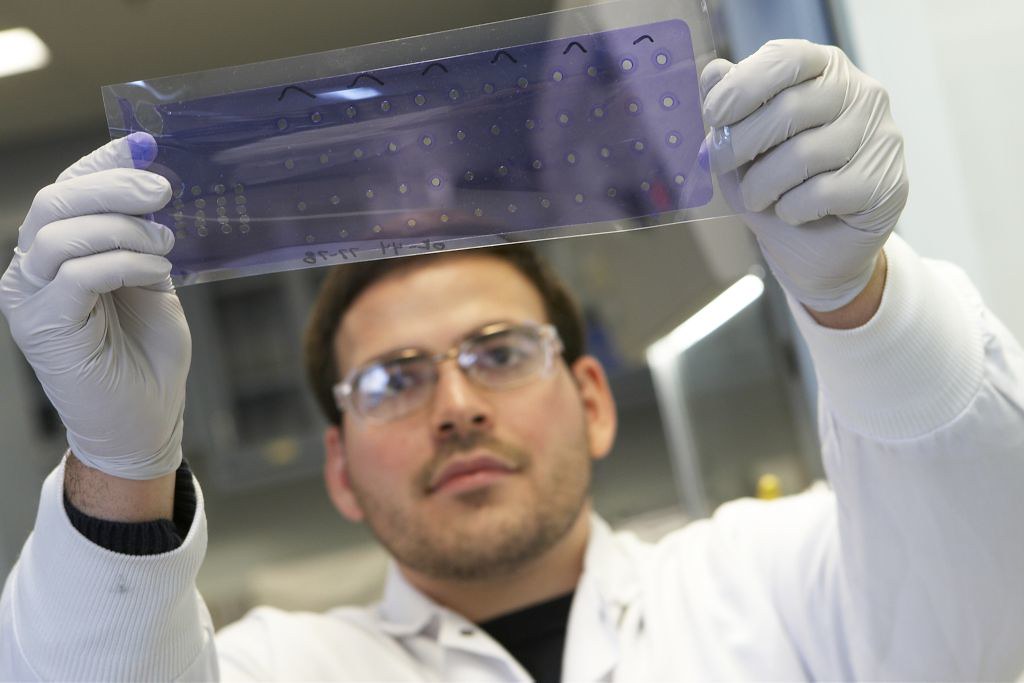
In the field of scientific research, the proper identification and tracking of experimental resources is crucial for reproducibility and accountability. However, manually tracking and verifying unique identifiers can be time-consuming and error-prone. This is where the use of image analysis techniques becomes invaluable. In this blog post, we will explore how image analysis can be utilized to detect and identify SRIDs (Structured Resource Identifiers) and RRIDs (Research Resource Identifiers), revolutionizing the way we manage and document scientific resources.
SRID and RRID Detection: Why Automation Matters
Modern laboratories handle vast quantities of biological materials, chemical reagents, and research assets daily. Ensuring that every resource is properly logged is vital to maintaining research integrity. Automated vision systems simplify this by using advanced algorithms to scan, extract, and log labels without manual intervention.
SRID Detection
SRIDs are unique identifiers assigned to biological or chemical materials used in scientific research. They help researchers to identify and track specific resources in experiments. With the advancement in image analysis technologies, it is now possible to automatically detect SRIDs from images of laboratory samples. By training machine learning models with labeled images, the system can accurately identify and extract SRIDs from various image sources. This not only saves time but also minimizes the risk of manual errors in identifying and documenting resources.
RRID Detection
RRIDs, on the other hand, are unique identifiers for research resources such as antibodies, cell lines, and genetically modified organisms. These identifiers are essential for ensuring reproducibility and traceability of experiments. Image analysis techniques can play a crucial role in detecting and validating RRIDs. By analyzing images of experimental setups or samples, the system can automatically identify the presence of specific RRIDs and cross-reference them with existing databases. This enables researchers to quickly verify the correct usage of resources and maintain accurate records of their experiments.
Manual Tracking vs. Automated Image Analysis
To understand the operational leap from traditional logging to automated vision systems, review the comparison below:
| Feature | Manual Tracking | Automated Image Analysis |
|---|---|---|
| Processing Speed | Slow and labor-intensive | High-speed, automated recognition |
| Error Rate | Vulnerable to transcription and human error | High precision via machine learning models |
| Traceability | Fragmented paper or spreadsheet logs | Centralized digital audit trails & database matching |
| Resource Management | Consumes valuable researcher hours | Frees scientists to focus on core research |
Advantages and Challenges
The use of image analysis for SRID and RRID detection offers several advantages. Firstly, it significantly reduces the time and effort required for manual identification and tracking of resources. Researchers can now focus more on the actual research work rather than administrative tasks. Secondly, it enhances the accuracy and reliability of resource identification, minimizing the chances of human errors. However, there are also challenges associated with image analysis, such as the need for high-quality images, potential variations in lighting conditions, and the requirement for robust machine learning models. Overcoming these challenges requires continuous improvement in imaging techniques and algorithm development. To explore more about automated vision systems, visit our Image Analytics services.
Frequently Asked Questions (FAQs)
1. How does machine learning assist in detecting SRIDs and RRIDs?
Machine learning models are trained on diverse datasets of sample images, enabling them to recognize, extract, and cross-reference unique label identifiers instantly with high accuracy.
2. Can image analysis systems integrate with existing laboratory databases?
Yes. Modern automated vision and software platforms integrate smoothly with laboratory information systems to cross-verify codes against official repositories.
Conclusion
The utilization of image analysis techniques for SRID and RRID detection is a game-changer in scientific research. It streamlines the resource identification process, improves reproducibility, and enhances research accountability. By automating the identification and tracking of unique identifiers, researchers can focus on advancing their scientific endeavors while ensuring accurate documentation and resource management. Explore our Custom Industry Software solutions to see how we can optimize your laboratory operations.
Leave a Reply