
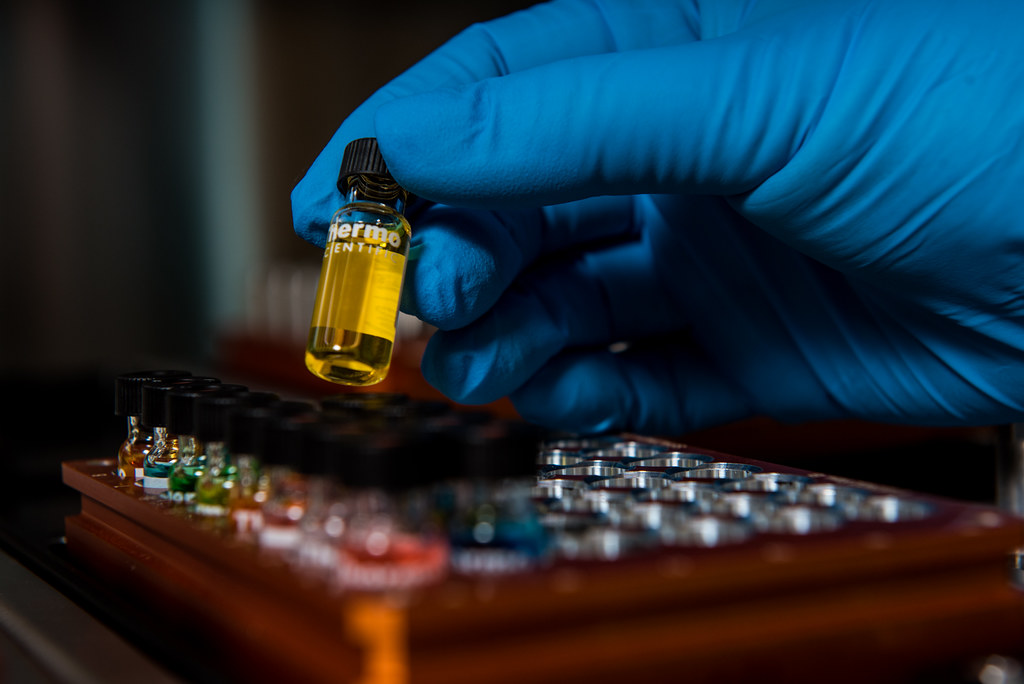
In the field of pharmaceutical research and drug discovery, time is of the essence. Scientists and laboratory directors are constantly searching for ways to streamline the process of screening potential drug candidates. High Throughput Screening (HTS) systems have revolutionized the way drugs are discovered and developed. These advanced systems allow researchers to test thousands of compounds in a fraction of the time, significantly increasing the chances of identifying viable drug candidates. However, managing such massive compound libraries manually remains time-consuming and labor-intensive. That is where intelligent laboratory automation comes in.
Increasing Efficiency and Precision with Automation
One of the primary benefits of automating high throughput screening systems is a drastic increase in operational efficiency. Manual screening of thousands of compounds requires immense manual effort and long hours. By automating the workflow, labs save valuable resources and accelerate throughput. Automated robotic systems seamlessly handle tasks such as compound dispensing, microplate preparation, and real-time data analysis with speed and precision, allowing researchers to focus on critical data interpretation and decision-making.
Furthermore, automation significantly mitigates the risk of human error. In manual workflows, even diligent technicians can experience fatigue or make mistakes that lead to inaccurate assay results and wasted reagents. Automated HTS infrastructure ensures consistent, reproducible results through advanced robotics, precise liquid handling, and sophisticated software.
Manual Screening vs. Automated HTS Systems
To understand the operational leap from legacy workflows to modern laboratory automation, review the comparison below:
| Feature | Manual Screening | Automated HTS System |
|---|---|---|
| Screening Speed | Slow (dozens to hundreds of compounds per day) | High-speed (thousands of compounds daily) |
| Error Rate | Prone to human error, pipetting variance, and fatigue | High precision with robotic accuracy & repeatability |
| Library Capacity | Limited by manual labor and physical bandwidth | Scalable to millions of compounds |
| Data Logging | Manual record-keeping | Automated digital audit trails & analytics integration |
Accelerating Drug Discovery and Exploring Larger Libraries
The automation of high throughput screening systems has fundamentally accelerated the entire drug discovery pipeline. Traditional discovery pipelines often take years to identify promising hits. With automated HTS platforms, researchers can screen thousands of compounds in days or weeks.
Additionally, automation empowers research facilities to explore expansive chemical libraries containing millions of compounds. This expanded screening capacity unlocks novel drug candidates that manual workflows would otherwise overlook, paving the way for breakthroughs in complex therapeutic areas. For related advancements in laboratory software and vision inspection, explore our Custom Industry Software and Image Analytics solutions.
Frequently Asked Questions (FAQs)
1. How does automation improve assay reproducibility in HTS?
Robotic automation standardizes pipetting volumes, incubation times, and temperature conditions, eliminating operator-to-operator variability and ensuring high reproducibility across multi-well plates.
2. Can HTS automation integrate with existing laboratory software?
Yes. Modern automated screening systems connect seamlessly with laboratory information management systems (LIMS) and custom software platforms for streamlined data storage and reporting.
Conclusion
High throughput screening system automation has revolutionized the field of drug discovery. By boosting efficiency, cutting down human error, and accelerating compound screening, automated solutions empower scientists to explore larger libraries and discover life-saving therapeutics faster than ever before. Contact SunBio IT Solutions today to learn how our advanced AI & Automation Services can optimize your laboratory workflows.
Leave a Reply