
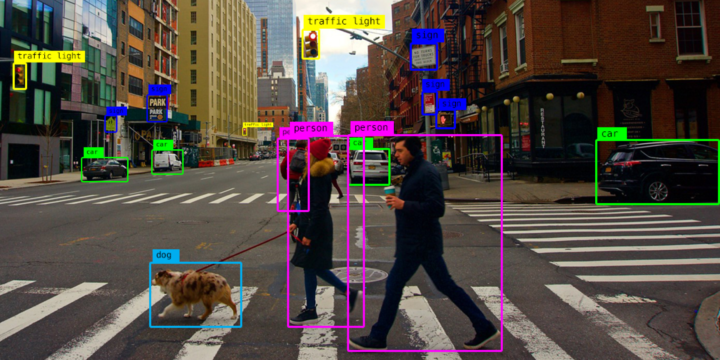
In an era defined by smart manufacturing and industrial automation, Image Analytics has emerged as a true game-changer, revolutionizing operations across diverse sectors. By harnessing advanced computer vision, artificial intelligence, and real-time data analysis, businesses can streamline complex workflows, automate quality inspections, and drastically enhance decision-making.
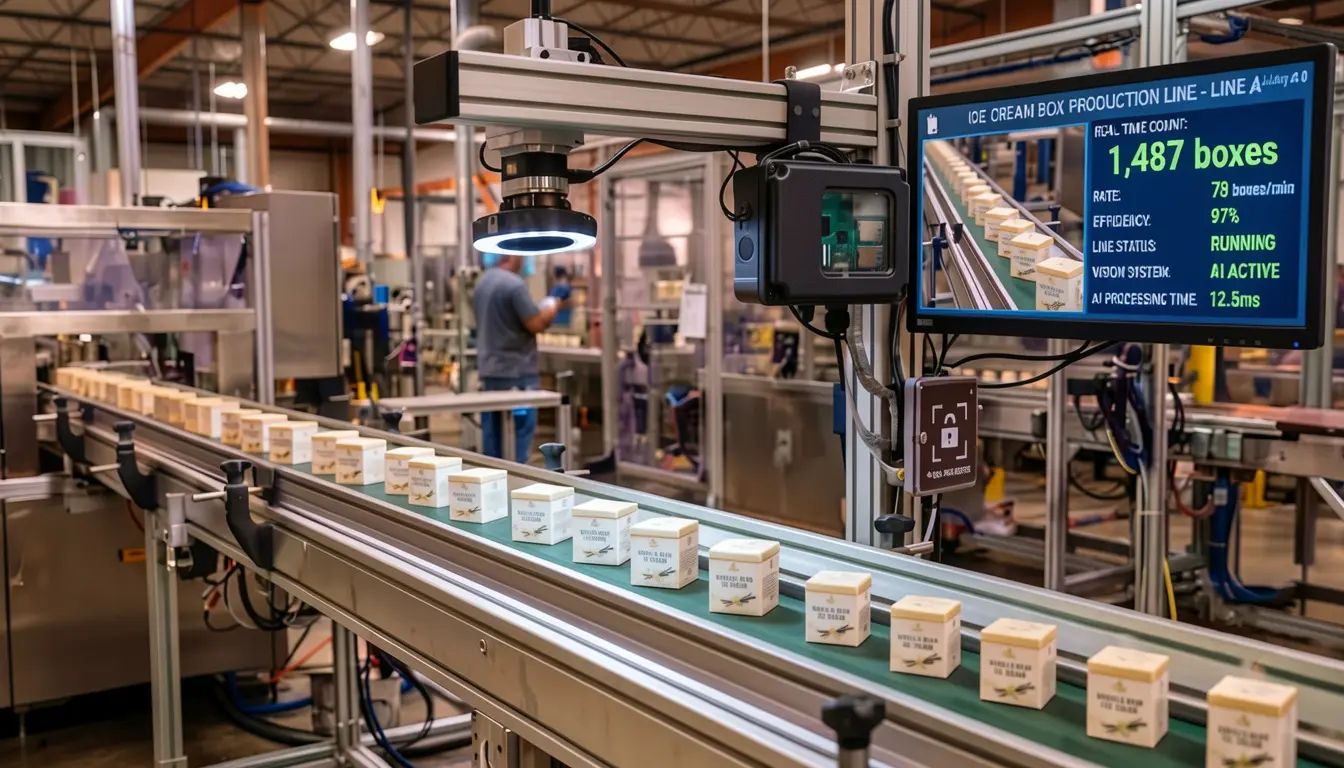
In this comprehensive guide, we explore how image analytics powers modern automation and why integrating computer vision is essential for scaling efficiency.
Unlocking the Potential of Image Analytics in Automation
Before exploring its specific industrial uses, let’s understand what image analytics entails. At its core, Image Analytics (or computer vision) uses sophisticated machine learning algorithms to extract valuable, actionable insights from images and video streams. Rather than relying solely on human visual inspection, automated systems can interpret spatial patterns, classify defects, count items, and monitor environments 24/7 with unwavering consistency.
Key Applications of Image Analytics Across Industries
- Manufacturing and Quality Control: In smart factories, automated optical inspection systems identify surface defects, structural flaws, and assembly inconsistencies instantly. This ensures 100% compliance, protects product integrity, and minimizes material waste. Explore more about our AI Defect Detection solutions.
- Inventory Management and Warehousing: Automated visual monitoring scans warehouse racks and bins in real time. This keeps precise stock levels updated, mitigating bottlenecks and reducing overstocking or stockout issues.
- Agriculture and Smart Farming: Using advanced imaging on edge hardware like our AgriLens systems, agricultural producers survey vast fields, evaluate crop vitality, and optimize resource deployment. Learn more on our Smart Agriculture page.
- Retail and E-commerce: Automated visual search, dynamic product categorization, and recommendation engines enable customers to discover preferred items effortlessly while maximizing conversion rates.
- Pharmaceutical and Healthcare Labs: High-throughput screening and automated medical sample inspection streamline clinical workflows, ensuring precise diagnoses and regulatory compliance.
Manual Inspection vs. AI Vision Inspection Comparison
To understand why industrial leaders are upgrading their systems, consider how traditional manual review compares directly with automated computer vision:
| Feature | Manual Inspection | AI Vision Inspection |
|---|---|---|
| Inspection Speed | Slow, limited by human fatigue | Lightning-fast, real-time processing |
| Consistency & Fatigue | Prone to oversight and tiredness | 100% consistent 24/7 operation |
| Defect Precision | Subjective, variable between operators | High-precision sub-millimeter detection |
| Data Traceability | Manual paper/spreadsheet logging | Automated digital logs & database archiving |
Integrating Vision Systems with Industrial Infrastructure
Deploying image analytics successfully requires robust edge computing hardware, reliable industrial connectivity, and centralized software dashboards. By connecting camera feeds through industrial gateways—such as our Industrial IIoT Gateway—production plants achieve seamless data synchronization from the factory floor directly to management analytics layers. Discover how our AI Vision Camera Counter integrates directly into production pipelines.
Frequently Asked Questions (FAQs)
Q: What hardware is required to run image analytics on a production line?
Typically, setups require high-resolution industrial cameras, stable illumination setups, and a dedicated edge processing unit or industrial PC capable of executing computer vision models.
Q: Can image analytics be integrated into legacy machinery?
Yes. Non-intrusive retrofitting allows optical sensors and external cameras to be installed onto existing conveyor and assembly lines without replacing core mechanical hardware.
Q: How does computer vision reduce manufacturing waste?
By catching defects immediately at the earliest stage of production, automated vision stops faulty batches from moving further down the line, saving raw materials and rework costs.
In Conclusion
Image Analytics is reshaping automation across industries by removing manual bottlenecks and empowering data-driven manufacturing. Whether you are looking to upgrade factory quality checks or deploy smart monitoring solutions, embracing computer vision is a vital step toward an efficient, future-ready enterprise.
Ready to upgrade your industrial workflows with intelligent vision? Contact SunBio IT Solutions today to schedule a consultation or request a custom automation demo.
Leave a Reply